Chengdu at a Glance
Population (2023): 20,937,800 (resident population), 16,843,000 (urban resident population)
GDP (2023): ¥2.0817 trillion
Chengdu is the capital of Sichuan Province. It was established officially in 311 BC and has a history that stretches back over 3000 years. It is the fifth most populous city in China. The climate of the city is monsoon influenced and subtropical, with mild winters but moderate summers. It is much cooler than the climate of its neighbours in Chongqing. Annual precipitation is around 997mm and with an average of 1,073 sunshine hours per year.
The city is served by two international airports: Chengdu Shuangliu International Airport and Chengdu Tianfu International Airport. As a popular tourist destination and first point for visiting Sichuan, Chengdu is the 3rd city in China with two international airports.
Chengdu ranks 69th on the Global Financial Centres Index, 6th amongst Chinese cities. Foreign Trade Volume in 2022 was RMB 1000.73 billion up 6.1% from the year before. As of Febuary 2022, the city has given green light to a total of 566 newly established foreign-funded enterprises, with cumulative foreign direct investment of $25.9 billion, and 377 Fortune Global 500 companies have offices in the city.
UNESCO designated it as a Creative City in 2010. Forbes, Fortune, and the World Bank listed Chengdu as one of “The Next Decade’s Fastest Growing Cities Globally”, “The World’s Best Emerging Business Cities” and the “Benchmark City for Investment Environment in Inland China” respectively. Chengdu is considered being one of the most liveable cities in China.
The Chengdu plain is famous for being fertile and has its own irrigation system dating back thousands of years. It is one of the major agricultural production bases in China. Grain, including rice and wheat, is the major product, but the area also produces commercial cash crops include rapeseed, citrus fruits, peaches, sugar cane and sweet potatoes, as well as pork and raw silk. The area surrounding the city is also rich in mineral resources, with deposits of coal, petroleum, natural gas, salt and iron ore. Sichuan province also has more than 132 mineral resources including vanadium, titanium, lithium and cobalt.
The city’s service sector already accounts for 50% of the economy and is predicted to grow to 60% within the next 10 years. Tourism is another large industry, both domestic and global, Chengdu is a CED (World Centre of Excellence for Destinations). Chengdu has also been selected by CNN travel as one of the 17 places to visit. It has enjoyed visits from top ranking officials such as David Cameron, Angela Merkel and Michelle Obama.
Chengdu plays a key role in having the greatest number of universities and research institutes in Southwest China. It has 134 universities including Sichuan University and the University of Electronic Science and Technology of China. There are multiple different schools for children of foreign nationals in Chengdu.
Key Industries
- Pharmaceuticals
Biotech drugs, new chemical drugs, traditional Chinese medicine (TCM) production
- Food & Beverage Processing
Sichuan cuisine seasoning, premium liquor, beverage production, and deep processing of agricultural products.
- Automotive, Aerospace and Equipment Manufacturing
Traditional automobiles, new energy and intelligent vehicles, rail transportation, aero-engines, aviation and combustion engines, aerospace equipment, energy conservation and environmental protection, intelligent equipment, and medical equipment and device
- Electronic Information Technology
Integrated circuits, new display, information security, software and information services, intelligent terminals, new generation network technology, big data, artificial intelligence (AI), and virtual reality (VR)
- Retail & Dining
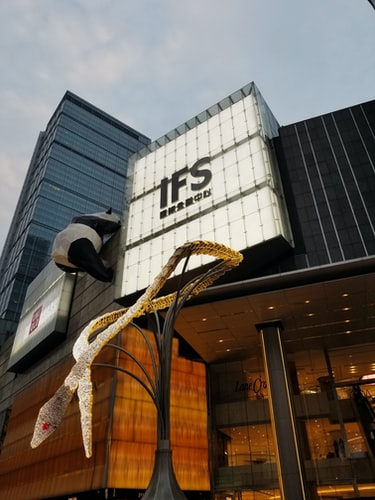
Chengdu has a large commercial sector, with IFS and Chunxi shopping road pulling in large crowds daily. Food also plays a key role with Chengdu being named a gastro-city.
- Advanced Materials
High-performance fibre and composite materials, special metallic material, lithium battery materials, solar cell materials, fuel cell materials, polymer materials, new-type inorganic non-metallic materials, and cutting-edge materials.
- Tourism
Chengdu is a popular destination for both domestic and foreign travellers. Chengdu has a lot of tourist attractions (see the culture section) and is often the first stop for people looking to go further into Sichuan’s nature reserves.
- Education
In the field of education, Sichuan is home to 134 institutions of higher learning, including Sichuan University and University of Electronic Science and Technology of China. Among its 53 universities, 8 have their 14 academic disciplines included in the second list of universities and disciplines of the“double world-class”project,ranking 9th compared with those in other provinces and municipalities nationwide.
- Finance
The total assets of Sichuan’s financial industry exceed 12.5 trillion yuan, with dynamic financial innovation and stable, orderly operation providing a favourable financial environment for the development of the real economy. By the end of 2021, financial institutions’ balance of deposits and loans exceeded 10 trillion yuan and 8 trillion yuan respectively, ranking 1st in Central and Western China; the yearly premium income surpassed 220 billion yuan, and the cumulative premium investment hit about 430 billion yuan in Sichuan. Moreover, the number of A-share listed companies reached 156.

Opportunities
The construction of the Chengdu-Chongqing economic circle is a master plan guiding the comprehensive construction of socialist modern Sichuan. In 2022, Sichuan and Chongqing will jointly launch 160 major projects with an estimated total investment of 2,036.7 billion yuan, of which 72projects focus on the building of a modern industrial system, with an estimated total investment of 540.2 billion yuan and an annual planned investment of 72.8 billion yuan.
Chengdu Shuangliu International Airport opened 374 air routes in 2021,13l of which were international and regional ones and 15 were for international all-cargo freighters. It generated the country’s second-largest annual passenger throughput totalling 40.117 million and an annual cargo throughput totalling 628,000 tons, alongside 300,900 take-offs and landings, making the airport one of the top 10 busiest airports worldwide. Meanwhile, the Chengdu Tianfu International Airport has been put into operation, whose departure punctuality rate has been high as 90.79%. Among all the mega airports handling over 10 million passengers annually in China, it is the only one that has a departure punctuality rate of over 90%.
Airbus broke ground as schedule on its Aircraft Lifecycle Centre project, which plans to invest over 6 billion yuan to build “four centers and one platform”, covering a range of activities from aircraft parking and storage, to upgrades and conversions required for sublease and resumption of operations, maintenance, dismantling, passenger-to-cargo, as well as the management and trade of second-hand aircraft and available aviation materials. The Europe’s big plain maker will implement China’s “Green Industry” strategy with a new model of aircraft green circular economy and this aircraft recycling project-a first in China and outside of Europe- will fill the gap at the end of China’s aviation industry chain, with an entry into service of the new centre slated for the second half of 2023.
As of July 2021, the city has given green light to a total of 713 newly established foreign-funded enterprises, with cumulative foreign direct investment of $33.61 billion, and 377 Fortune Global 500 companies have offices in the city.
In 2022, the core area of Tianfu New Area reported a GDP of 44.5 billion yuan with a year-on-year growth of 7%. The area aims to reconstruct modern international urban area suitable for not only a residence but also industry and commerce. Some of the major projects of Tianfu New Area are The New Century Global Centre, Chengdu Tianfu International Airport and Contemporary Arts Centre.
Chengdu is also one of the targets of “Go West”, a strategy aimed at raising the economic strength and living standards of Western China to match those of the Eastern coastal cities. One of the projects is a joint Chengdu-Chongqing Economic Zone – this will link Chengdu to Chongqing, one of the fastest growing cities in the world.
Chengdu’s retail sector continues to grow, with a variety of big-name shopping locations such as Taikooli, Chunxi Road, Joy City, Shinkong Mitsukoshi, MixC and many more. Taikooli and Chunxi Road particularly have a large draw for tourists looking to go shopping. Chengdu’s purchasing power is unrivalled in Western China and accounts for 50% of the total in Sichuan Province.
AAXIS Commerce Delivery Centre in Chengdu has signed a short-term contract with a multinational company from the UK with a presence in Shanghai, and a multi-year project contract for a large project with another multinational company in Suzhou. After the success of these projects, AAXIS Commerce has increased their staff by 20% and moved to a larger in Tianfu Software Park in order to increase their capacity.
From 2012, the city has been aiming to improve its presence in events and exhibitions and plays now one of the leading roles in the MICE industry nationwide. In 2012, there were 456 events, 76 international meetings and 154 exhibitions, of which 38 were international. The city holds over 190,000m2 of exhibition space. The Western China International Exposition Town has an exhibition space of 500,000m2 and a conference space of 250,000m2. The Western China International Fair (WCIF) and the China Food & Drink Fair (CFDF) both take place in Chengdu every year and are aimed at attracting investment and trade. Chengdu will host the FISU Summer World University Games between 28 July and 8 August 2023, an international sports event.
There are more than 7,000 tourist accommodation facilities in the city of Chengdu including 33 five-star hotels and 112 four-star hotels. 72 international hospitality brands including Starwood, Intercontinental, Accor and Waldorf Astoria run hotels in Chengdu.
High-tech industries such as integrated circuit design and software development should continue to be attracted by good local R&D and educational facilities. The strengthening of rail and air logistics will strengthen Chengdu’s position as the vanguard of Southwest China. However, most growth will be in the service industries and ICT rather than Chengdu’s more traditional sectors of aerospace and pharmaceuticals. In April 2017, Chengdu Pilot Free Trade Zone was officially established with almost 120 square kilometers of working area.
Among the first national high-tech industrial development zones, the Chengdu Hi-tech Industrial Development Zone, located in the core area of Sichuan Pilot Free Trade Zone, is currently a Customs Special Supervision Zone with the widest range of functions and most preferential policies in China, and it mainly develops electronic information, bio-medicine, airport economy and new economy industries, and has gathered 116,000 businesses of various kinds, including more than 1,800 overseas-funded enterprises and 128 world’s top 500 investment enterprises.
In 2017, Chengdu City Master Plan was approved proposing Chengdu’s “Three step” strategic goals in the new era. By 2020, a well-off society will be built in an all-round way with high-standards, and a National Central City that fully embodies the new development philosophy will be mostly accomplished. From 2020 to 2035, the construction of a beautiful and livable park city will be accelerated and the building of a pan-European and pan-Asian international gateway and hub city with important influence will be completed. By the middle of this century, Chengdu will be a sustainable world city with the comprehensive construction of a new modern “Land of Abundance”.
“the thriving business hub conveniently located in the heart of Southwest China: Chengdu offers an abundance of opportunities to foreign businesses looking to invest into Western China, and with recent Chinese government announcements, these only look set to grow further”
Find out more in THE GUIDE OF INVESTMENT IN SICHUAN & OPPORTUNITIES LIST FOR INVESTING IN SICHUAN (click the 2 pictures or “Read More” below)

Culture
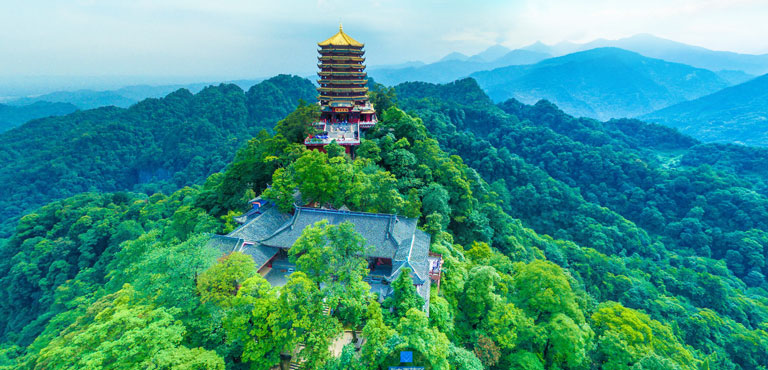
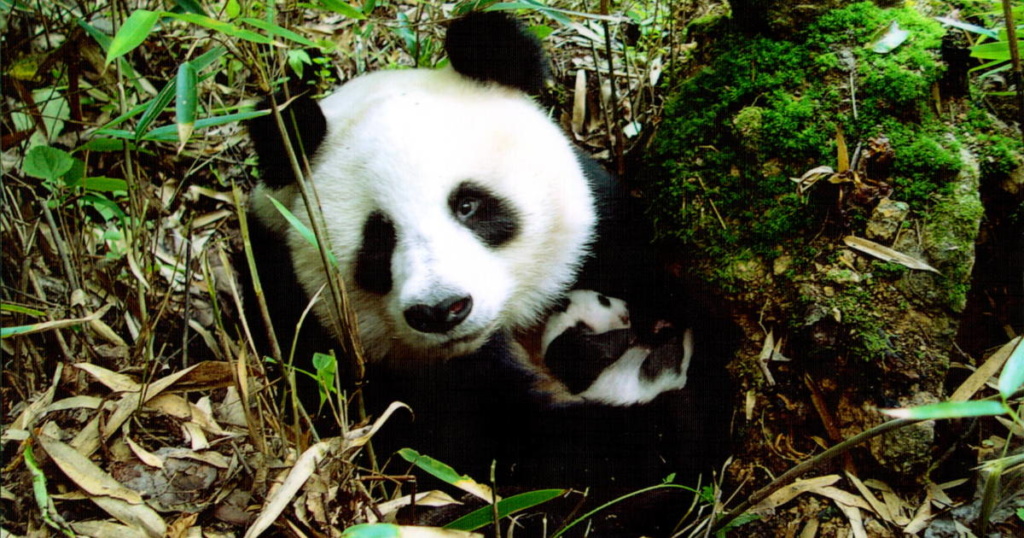
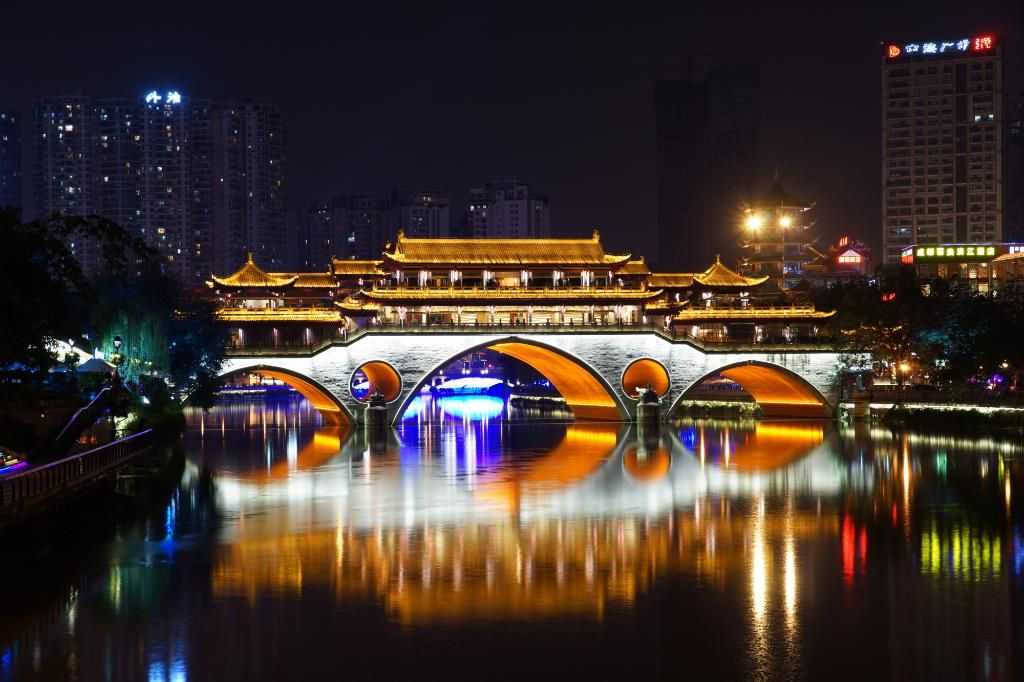


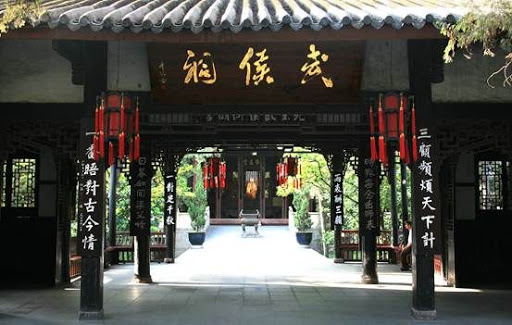
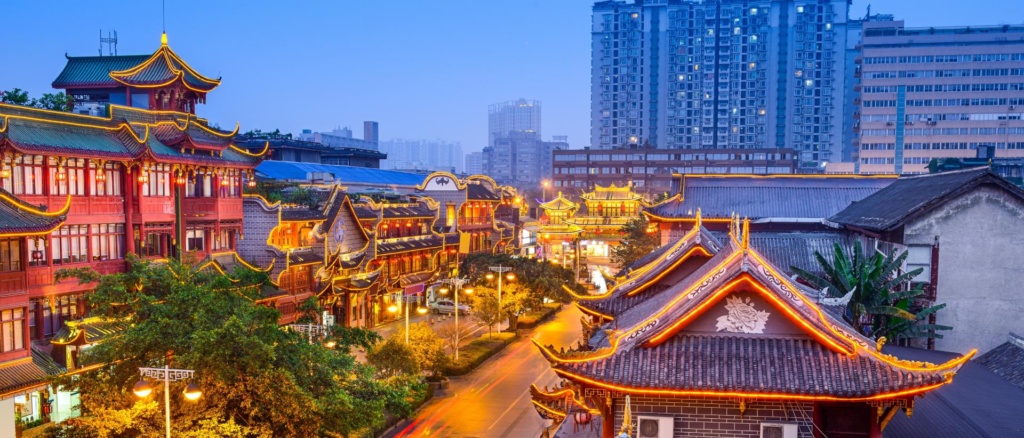
Chengdu is home to many cultural sites:
- Mount Qingcheng, Famous mountain, a key centre of Taoism
- Sichuan Giant Panda Sanctuaries, home to 30% of the world’s giant pandas
- Anshun Bridge
- Sichuan Opera (performed at Shu Feng Ya Yun)
- The world-famous Chengdu Tea Houses
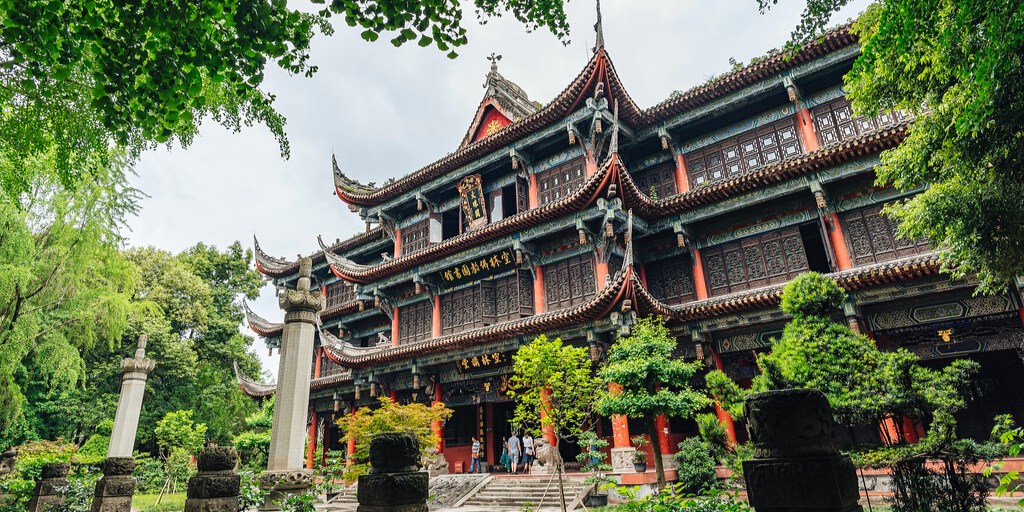
- Wuhou Shrine
- Plenty of Tea-houses
- Mahjong centres
- Jinsha site museum
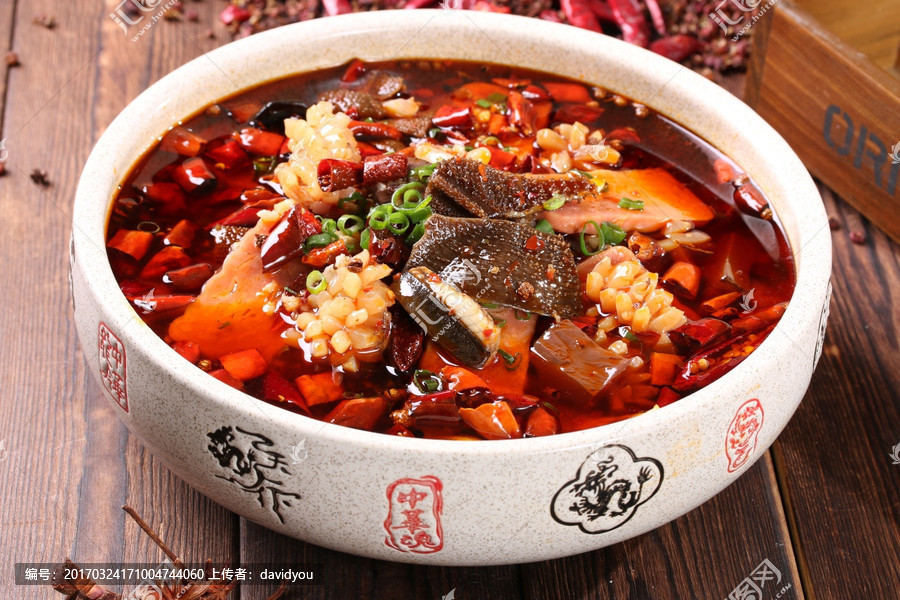
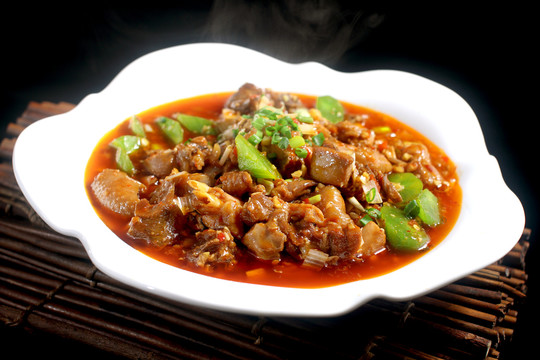
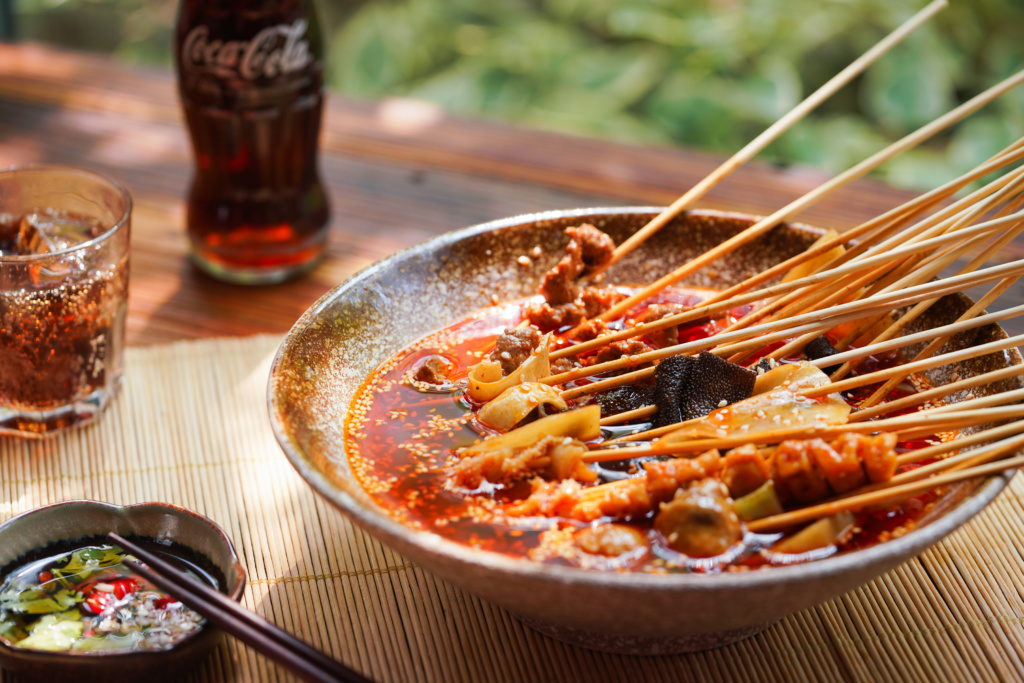
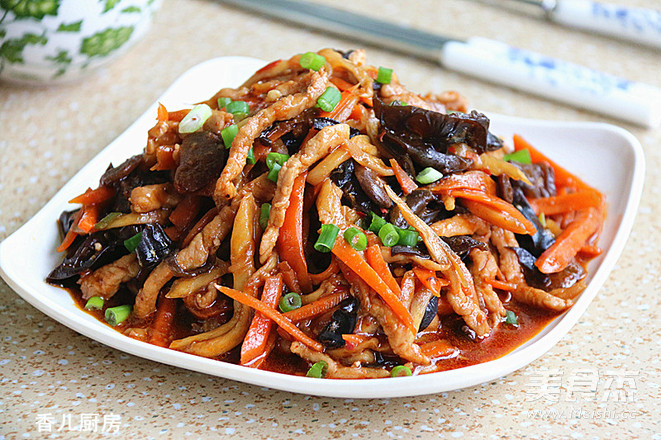
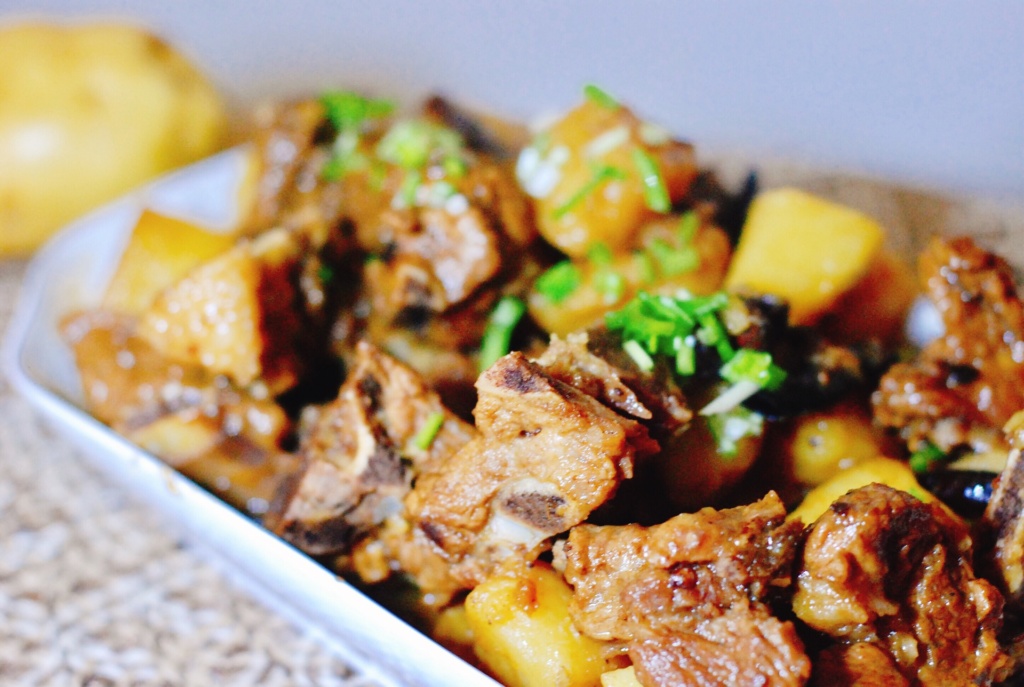
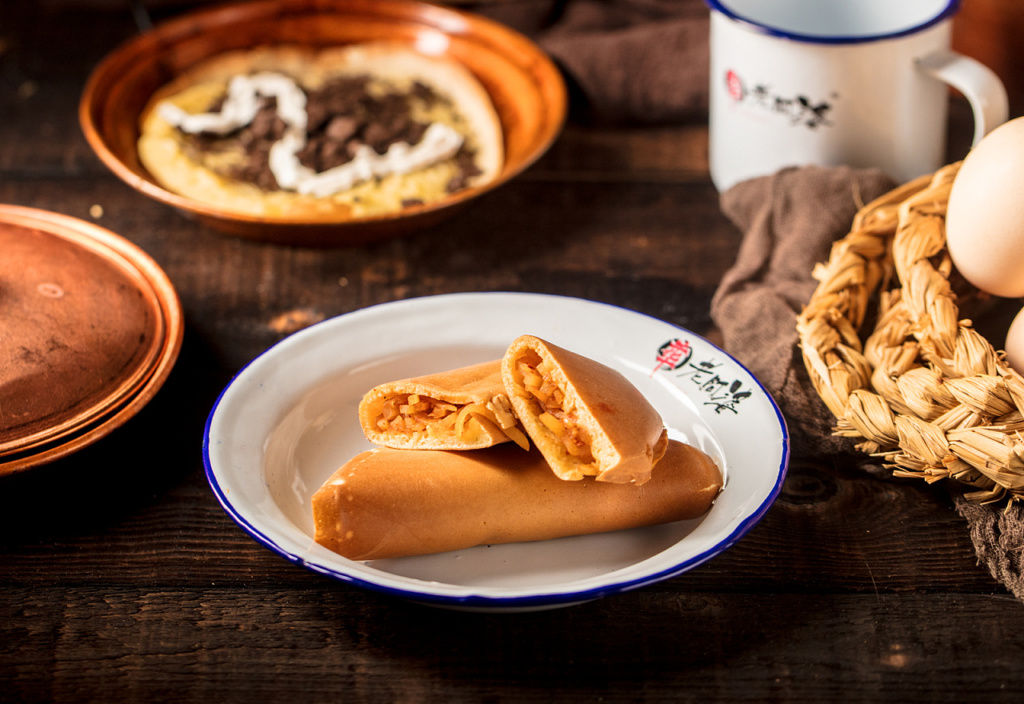
But maybe most of all, Chengdu is famous as the centre of Sichuan cuisine. In 2010, UNESCO named it a City of Gastronomy, making it the only city in Asia with this label. Although Sichuan cuisine is famous for its spicy, in fact, the taste of Sichuan home-cooked cuisine is very inclusive, and it is not limited to spicy taste. For example, the famous Yuxiang shredded pork (Yu Xiang Rou Si) is sweet and sour.